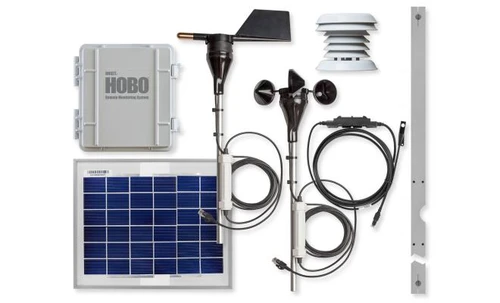
Collect. Connect. Protect. Weather Station Data, Straight to Tools you Trust.
Disease pressure and insect development depend partly on weather conditions. Collect temperature, relative humidity, rainfall, and leaf wetness data where your crops grow, then connect a compatible HOBO station to the Network for Environment and Weather Applications (NEWA).
Support better crop protection decisions with local weather data and integrated pest management tools. Use measurements, applicable models, and field observations to understand changing risks and inform crop-management decisions throughout the growing season.
For Washington growers, AgWeatherNet provides additional weather information and decision-support tools. Confirm the station configuration, sensors, and connection requirements for the network and models you plan to use.
HOBO Monitoring Tools That Support Disease & Pest Management
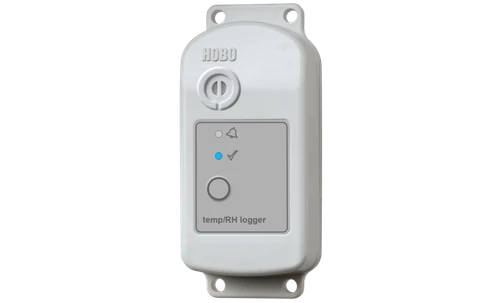
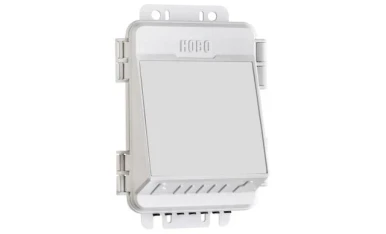
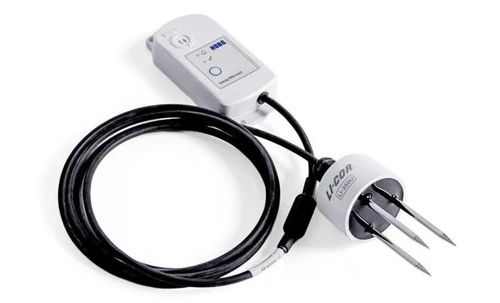
HOBO MicroRX Remote Monitoring Station
Collect local weather measurements with a HOBO MicroRX station configured for your monitoring program. For NEWA applications, select a compatible RX2106 configuration and the sensors required by the crop and pest models you intend to use.
Use temperature, relative humidity, rainfall, and leaf-wetness measurements alongside other required weather inputs to support risk assessment and scouting decisions. Configure the station’s data feed and complete the NEWA connection process before relying on model outputs.
Review the NEWA partner information for configuration guidance. Select suitable station power, cellular reception, and an RX data plan for remote access.

Turn Farm Data into Better Decisions with LI-COR Cloud
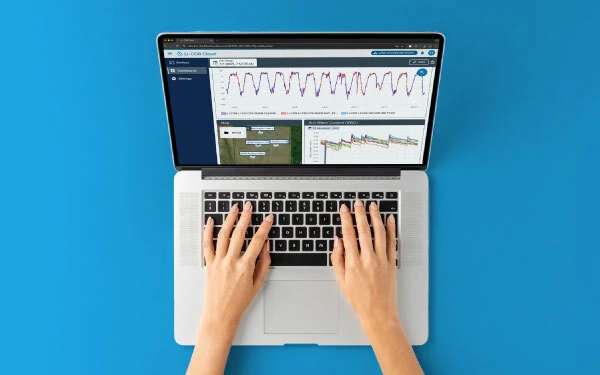
Make your monitoring data easier to understand and act on with LI-COR Cloud, formerly HOBOlink. Bring measurements from compatible HOBO monitoring systems into customizable dashboards to review field conditions remotely, identify trends, and inform crop protection and irrigation decisions.
- Compare conditions across your farm. View measurements from multiple monitoring locations to identify differences in temperature, humidity, leaf wetness, and soil moisture.
- Understand changing conditions. Review graphs alongside rainfall and other measurements to investigate weather patterns, wet periods, and irrigation response.
- Stay informed between field visits. Configure email or text notifications when monitored conditions reach your selected thresholds, helping you prioritize follow-up.
- Put your data to work. Export records for further analysis, share findings with your team, and connect compatible station data to NEWA’s crop, disease, and insect models.
Combine local measurements, model results, and field observations to make better-informed decisions about scouting, irrigation, and crop management.
Related Resources

Crop Planning
See how a farmland developer used local and remote monitoring to compare microclimates and inform crop planning.
Read More
Wireless Sensor Networks for Fruit Growers
Explore how wireless sensor networks help fruit growers monitor weather and soil conditions across their operations.
Watch Now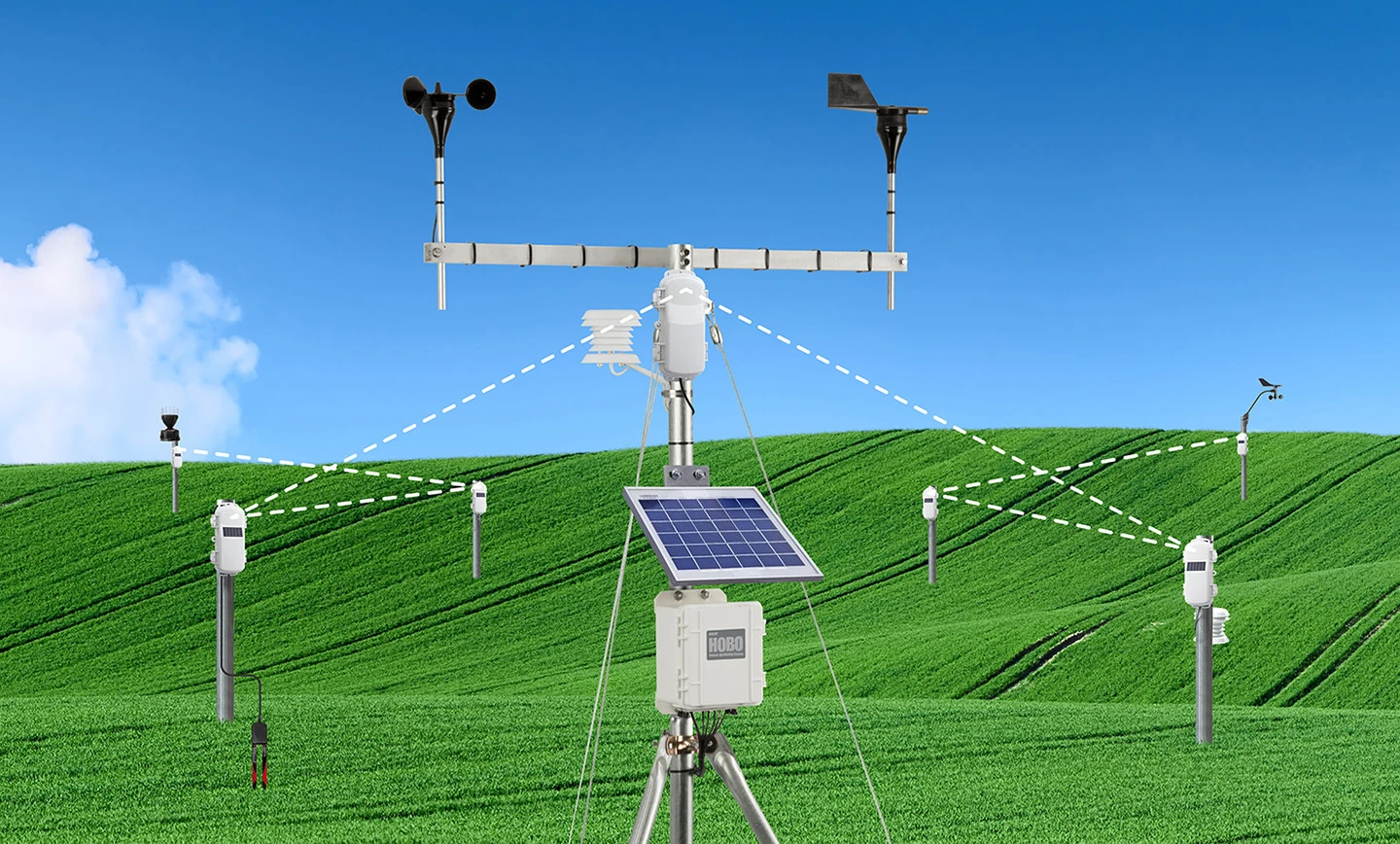
Introducing the New HOBO MicroRX Station
Learn how to deploy a MicroRX station and access environmental monitoring data remotely.
Watch Now
Crop and Pest Modeling Helps Growers Use a Targeted Approach to Pest Management
Learn how local weather measurements and NEWA models work together to support disease risk assessment and more targeted pest management decisions.
Watch Now