
Introducing the New HOBOnet Field Monitoring System
In this webinar you will learn a whole new way to collect and view data for crop management, research, and greenhouse operations, with the new HOBOnet Field Monitoring System.
Watch NowBuild a HOBOnet system to compare conditions across farm fields, research plots, restoration areas, and other monitoring sites. Compatible wireless sensors send measurements to a central HOBO station, which uploads data to LI-COR Cloud for remote access.
For outdoor deployments, choose a MicroRX Station for HOBOnet (RX2106), or an RX3000 station with a HOBOnet Manager. Select sensors and radio frequencies appropriate for your region, and plan power, wireless coverage, cellular coverage, and an active RX data plan before installation.

Mount the RX station, a wireless receiver, and any sensors
Install and link any RX wireless sensors
Configure sensors, logging rates, alarms, and more via LI-COR Cloud
View your data and receive alerts on your computer or mobile device
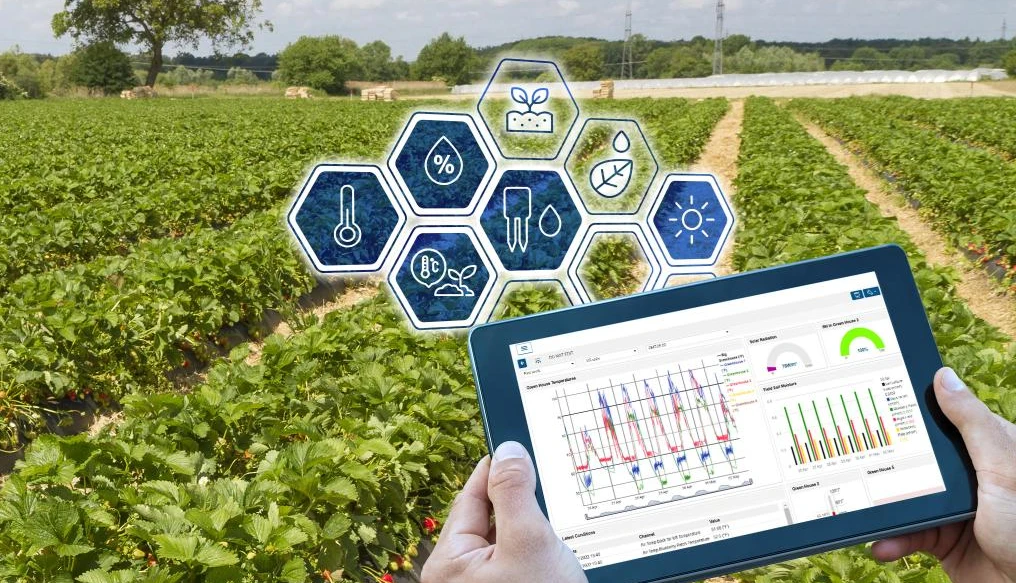

HOBOnet also supports environmental monitoring and field research. Place compatible sensors across a study area to compare soil conditions, local weather, or water levels over time. Shared access in LI-COR Cloud helps teams review measurements from dispersed sites and document changes during seasonal studies or restoration monitoring.
Choose sensors to match your research question, then plan the station location, wireless coverage, power, and cellular connection for the site.
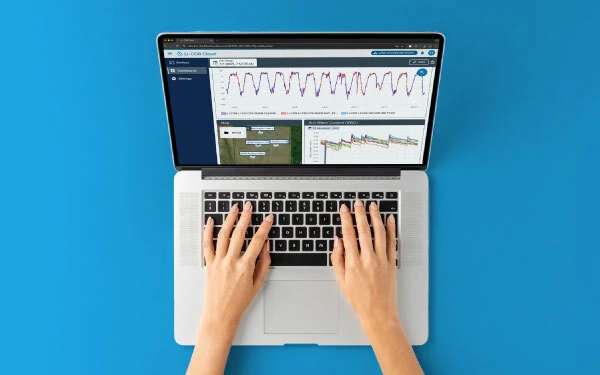
In this webinar you will learn a whole new way to collect and view data for crop management, research, and greenhouse operations, with the new HOBOnet Field Monitoring System.
Watch Now
View this on-demand 30-minute webinar and learn how to monitor and manage frost risk with the HOBOnet remote field monitoring system.
Watch Now
This webinar presents HOBOnet and agricultural solutions for organizations and agricultural research institutions in the Asia Pacific Rim, including where HOBO products are being used.
Watch NowReview account setup, subscription options, and device-registration guidance for the current LI-COR Cloud platform.
Learn More