
Did You Know These Lake Facts?
Jul 23rd 2024
July is Lakes Appreciation Month
Thanks to the North American Lake Management Society (NALMS), July is Lakes Appreciation Month. They started Lakes Appreciation Month to “focus attention on the value of lakes and reservoirs to society and the threats they face.” In the face of climate change and human-caused pollution, focusing on taking care of these precious water resources is more critical than ever.
Key Takeaways
- Lakes vary widely in size, depth, elevation, and salinity.
- Lake conditions change over time, and mixing helps redistribute oxygen and nutrients.
- Temperature, light, and dissolved oxygen measurements help researchers investigate changing conditions and aquatic habitat.
Take a dive into these fascinating lake facts:
Did You Know Lakes Can Die?
- Once formed, lakes do not stay the same. Like people, they can go through different life stages—youth, maturity, old age, and death.
- Lakes can be described as open or closed. Open lakes have a surface outlet, such as a river. Closed lakes have no surface outlet and lose water through evaporation or seepage. Salts can accumulate as water evaporates, making many closed lakes saline.
- Many lakes naturally develop layers of warmer surface water above colder, deeper water—a process called lake stratification. Seasonal temperature changes and wind help mix the water column, redistributing oxygen and nutrients. Prolonged stratification can limit oxygen replenishment in deeper water. Climate change can lengthen stratification periods, affecting habitat for aquatic species.
- The Great Salt Lake, in the U.S. state of Utah, is the largest saline lake in North America.
- The lowest lake in the world is the Dead Sea, whose surface lies more than 400 m below sea level.
- One of the world’s highest lakes sits on Ojos del Salado, near the Chile–Argentina border, at more than 6,000 m above sea level.
- The deepest lake in the world is Lake Baikal in Siberia, Russia. Its maximum measured depth is 1,642 m.
- Lake Tanganyika in Africa is the world’s longest freshwater lake, stretching approximately 660 km. It is also the second deepest lake.
- The five Great Lakes, shared by the United States and Canada, contain around 21% of the world’s surface freshwater.
- Lake Superior is the largest of the Great Lakes and has the largest surface area of any freshwater lake in the world, at about 82,000 km².
- Finland has the nickname “Land of the Thousand Lakes.” Statistics Finland’s 2026 compilation lists an estimated 168,000 lakes measuring at least 500 m².
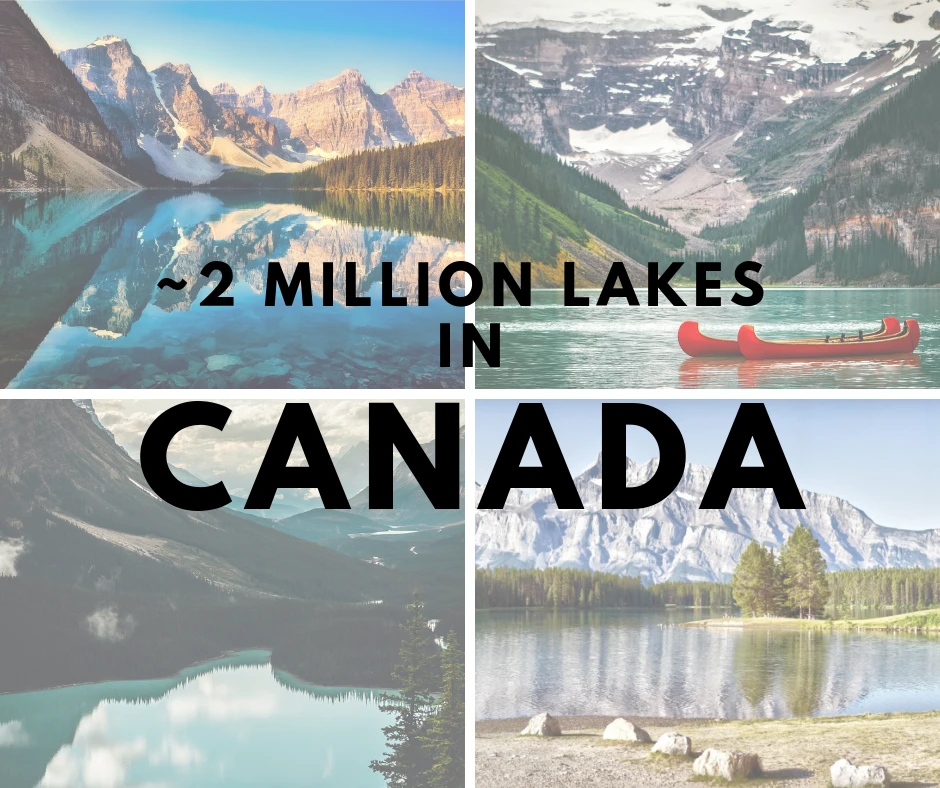
- Canada is estimated to have as many as 2 million lakes.
- A 2014 satellite-based inventory identified about 117 million lakes larger than 2,000 m² worldwide. Together, they covered about 3.7% of Earth’s land area not covered by glaciers.
- Most lakes in that inventory were small: about 90 million measured between 2,000 and 10,000 m².
- Lakes also tend to lie low: in the same inventory, about 85% of lakes with elevation data were below 500 m—about 1,640 feet—above sea level.
- Limnologists are people who study inland waters—lakes, reservoirs, rivers, streams, wetlands, and groundwater.
- Limnologists classify lakes in several ways, including their nutrient levels, how their water mixes, and the kinds of fish that live in them. Speaking of fish…
- Sturgeons include some of the world’s largest freshwater fish. White sturgeon have historically reached 6 meters (20 feet) and around 680 kilograms (1,500 pounds), although landlocked populations are generally smaller.
Looking to Monitor Lakes?
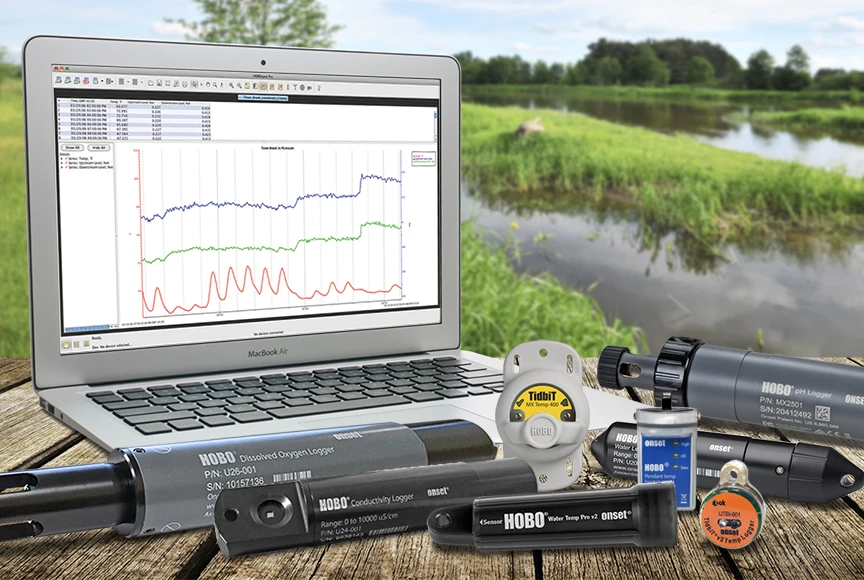
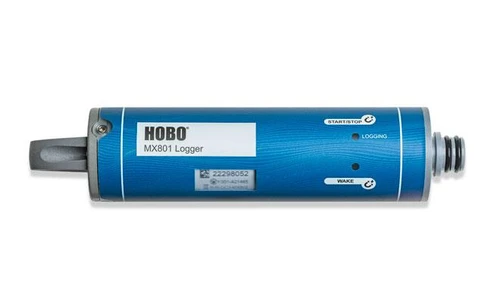
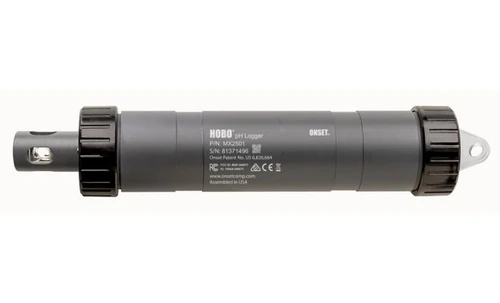
Planning a lake study? Start with the measurements your project needs. HOBO data loggers offer options for recording water temperature, light, pH, conductivity, and dissolved oxygen over time.
Explore Lake Monitoring Solutions
Related Resources

Tracking Temperature and Light in Maine Lakes
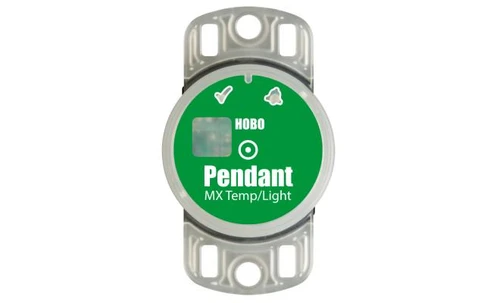
See how researchers planned to use HOBO Pendant loggers at different depths in Maine lakes to investigate potential climate impacts.
Read MoreMonitoring Dissolved Oxygen in Mussel Habitat
Learn how biologists used a HOBO dissolved oxygen logger to study endangered mussel habitat in a creek downstream of a proposed reservoir.
Read MoreDid you know that lakes can die? Find answers to this and more in this blog post about lakes, like: What is the biggest lake? What country has the most lakes? The biggest fish ever to have been found in a lake?