
Cultivating Agricultural Grants: A Gateway to Sustainable Farming & Research
May 13th 2024
Agricultural Grants and Programs:
A Bounty of Funding for Farming
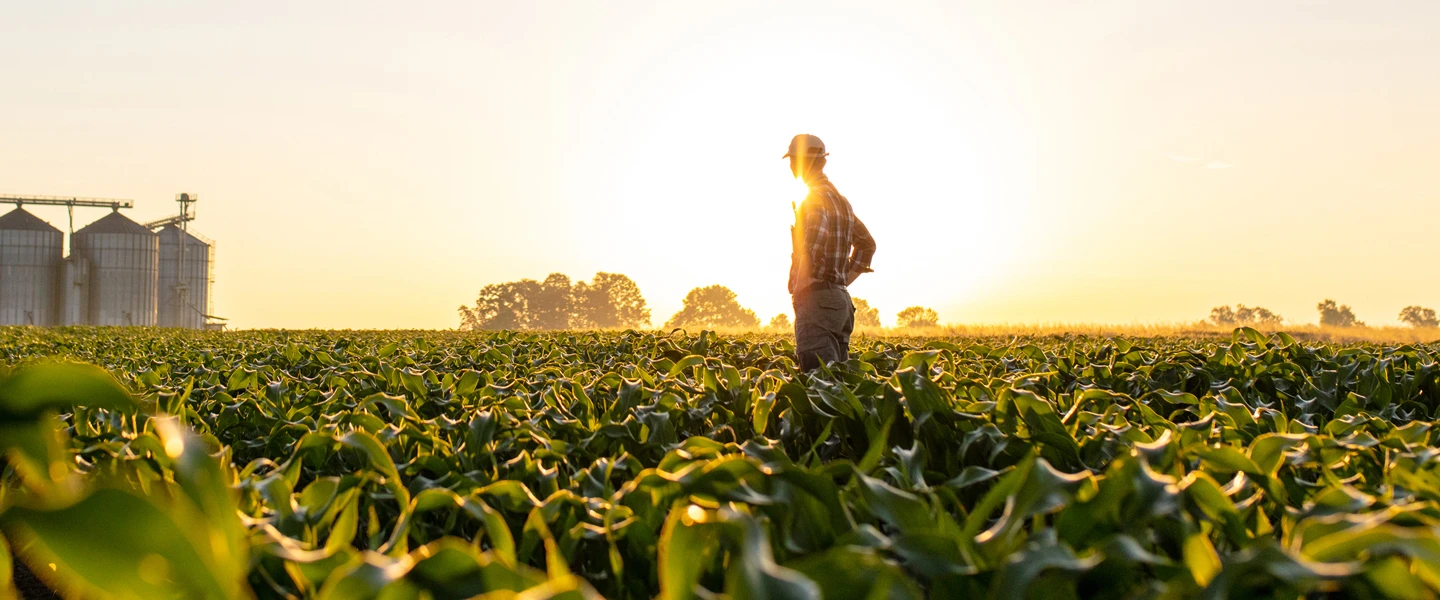
Are you an agricultural researcher, grower, or specialty crop producer looking to improve irrigation efficiency, evaluate sustainable practices, study challenging field conditions, or address pests and disease?
Your state department of agriculture, university cooperative extension program, USDA agencies, and agricultural organizations can be useful starting points for finding funding opportunities. The important word is fit: eligibility, allowable costs, priorities, deadlines, and application procedures vary from one program to another.
Some funding opportunities support research, conservation, water management, crop production, market development, or other agricultural goals. Others are directed to state agencies, universities, nonprofits, producer groups, or partnerships rather than individual farming businesses.
This article offers a starting point for identifying resources and connecting a defined project need with the right program. Always confirm current requirements through the organization administering the opportunity.
Key Takeaways
- Eligibility, allowable costs, deadlines, and application procedures vary by program; review the current official funding notice before preparing a proposal.
- Some programs accept farmers or farm businesses directly, while others fund states, universities, nonprofits, producer groups, or partnerships.
- Resource directories can help you identify opportunities, but the administering agency or organization determines the actual requirements.
- Monitoring equipment may support a proposed project, but that does not mean a particular grant will pay for it.
What Are Agricultural Grants?
Agricultural grants are funding awards offered by government agencies, nonprofit organizations, foundations, and other entities for eligible farming, ranching, food-system, conservation, education, and research projects.
Programs differ substantially. Some support soil health, water conservation, integrated pest management (IPM), crop research, market development, rural infrastructure, or food security. Others provide cost-share assistance, technical support, loans, or other forms of financial assistance rather than grants.
Before building a project around an opportunity, confirm:
- Who is eligible to apply
- What activities and costs are allowed
- Whether matching funds or cost sharing are required
- What outcomes the program is intended to support
- How and when the application must be submitted
Sustainability, Sustainability, Sustainability
Some agricultural funding programs support projects involving soil health, water conservation, energy efficiency, climate resilience, or sustainable irrigation practices.
If sustainability is part of the program’s purpose, explain the specific problem your project addresses, the change you propose, and how you will evaluate the result. Avoid assuming that every agricultural grant uses the same sustainability criteria or supports the same types of equipment and activities.
Can I Use Agricultural Grants for My Farming Business?
Possibly, but the answer depends on the program.
Some opportunities accept applications directly from farmers, ranchers, or agricultural businesses. Others fund state departments of agriculture, universities, nonprofit organizations, local governments, producer associations, or collaborative research and extension teams.
An eligible project might involve conservation practices, research, market development, infrastructure, new technology, or participation in an on-farm demonstration. However, a proposed activity or equipment purchase does not automatically qualify simply because it could benefit the farm.
Compare your project with the program’s eligibility rules and allowable costs before investing substantial time in an application. A local extension office, state agriculture department, conservation district, university, or program contact may also help identify opportunities that fit your applicant type and goals.
Department of Agriculture Grants and Other Funding Resources
The United States Department of Agriculture (USDA) is one starting point, but USDA funding is administered through several agencies and programs with different purposes and eligibility requirements.
The USDA Agricultural Marketing Service Grants & Opportunities page provides information about programs administered by AMS. The USDA Specialty Crops Resources page offers another route to programs and services relevant to specialty crop producers and organizations.
Always review the current program page or Notice of Funding Opportunity rather than relying on a deadline from an older article. Programs may have annual cycles, one-time application periods, or state-specific schedules.
The Specialty Crop Block Grant Program (SCBGP) is one important example. State departments of agriculture apply directly to USDA for the federal award. Individuals and other organizations interested in specialty crop projects generally apply through the appropriate state department of agriculture under that state’s process.
Contacting the administering organization early can help you understand the application route, current availability, and whether your project aligns with the program.
How to Look for Farming Grants
What Organizations Offer Agriculture Grants and Funding?
Agricultural funding may come from federal and state agencies, universities, nonprofit organizations, producer groups, conservation districts, private foundations, and other entities.
Some opportunities are designed for individual farmers. Others fund projects that serve a wider group, conduct research, provide education, develop markets, or address regional agricultural needs.
Start with the organization administering the opportunity. Review its current program page, eligibility requirements, application instructions, deadlines, and contact information. For a state-managed program, your state department of agriculture can explain its own process. For a university, nonprofit, or foundation opportunity, use the guidance published by that organization.
Exploring several sources may help you find a better match, but each opportunity still requires an individual eligibility and availability check.
What Farm Grants Are Available?
Resources for Finding Farmer Grants and Funding
The following resources can help you identify funding programs, assistance organizations, and official contacts. They are starting points—not guarantees that a particular opportunity is currently open or that a project will qualify.
-
Farm Aid
Willie Nelson helped establish Farm Aid with fellow musicians to support family farmers. Today, Farm Aid’s Resources for Farmers include a Farmer Resource Network, an Ag Funding Library, guides, a hotline, and other assistance.
-
The National Sustainable Agriculture Coalition
The National Sustainable Agriculture Coalition’s Farm Bill Programs & Grants overview organizes federal programs by topic and identifies whether farmers, organizations, or both may be eligible.
-
Specialty Crop Block Grant Program State Contacts
USDA’s SCBGP State Contacts list provides the agencies and contacts responsible for the program in states and eligible territories.
-
Oregon Farm Link
Oregon Farm Link’s Grant Resources page compiles federal, state, regional, and research-funding resources. Some opportunities are Oregon-specific, so check the geographic scope of each listing.

How Do I Apply for Agriculture Grants?
Begin by defining the project before searching for funding. Identify the problem or opportunity, the activities you propose, who will participate, how long the work will take, what it will cost, and what results you expect.
Then compare that project with the funding notice:
- Confirm that your applicant type is eligible.
- Check that the proposed activities and costs are allowed.
- Review required partnerships, matching funds, registrations, or supporting documents.
- Follow the required format and submission process.
- Submit questions to the official program contact before the deadline.
Clear, specific applications generally explain the need, proposed approach, expected outcomes, budget, timeline, and how the results will be evaluated. Appropriate monitoring data may help establish baseline conditions or demonstrate how a project will measure progress, but the role of the data should be directly tied to the program’s objectives.
What Can You Use Farm Grants For?
Allowable uses depend entirely on the program. The examples below are project ideas to discuss with a funder—not promises that a particular grant will cover the equipment or activity.
-
Sustainable Irrigation Systems
A project might evaluate irrigation practices using a remote wireless monitoring system that records soil moisture, rainfall, and other field conditions. The proposal should explain the research or management question and how the measurements will be used.
-
Weather Monitoring Technologies
A research or demonstration project might use a weather station to document local temperature, rainfall, wind, solar radiation, or other environmental conditions. A weather station records measurements; it does not, by itself, provide a forecast or guarantee protection from extreme weather.
-
Adaptation Strategies for Climate Change Impacts
Agricultural research may examine crop varieties or practices intended to address heat stress, drought, disease, changing pest pressure, or other environmental challenges. The application should define the research question, measurements, evaluation method, and plan for sharing results.
The strongest starting point is a clearly defined project matched to a current program’s purpose and eligibility rules. Use official contacts and current funding notices to decide where to focus your application effort.
Important note: Although HOBO products support agricultural monitoring, HOBO does not offer grant-assistance services and has no affiliation with or expertise in the programs mentioned in this article. Use the links provided to obtain current information directly from the administering agencies and organizations.
Dig into the basics about agricultural grants, where to find them, and how to tap into this funding resource for your farming initiatives.