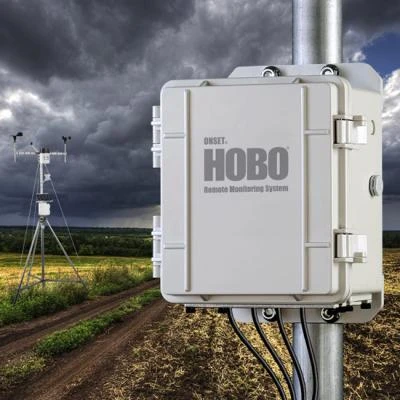
HOBO Partner: NEWA

Network for Environment and Weather Applications

Turn local farm weather data into practical crop-management decisions. Compatible HOBO weather stations connect with NEWA to support integrated pest management, disease-risk assessment, spray timing, crop production, and other weather-driven decisions.

What is NEWA?

NEWA—the Network for Environment and Weather Applications—is an agricultural decision-support network that combines local weather-station data with crop, pest, disease, and production models. Growers use NEWA’s weather summaries, degree-day calculations, IPM forecasts, and crop-specific tools to evaluate field conditions and make more informed management decisions.

NEWA collects weather data from stations located primarily on farms and uses those observations to generate real-time weather summaries, crop-production tools, and integrated pest management forecasts. When a compatible HOBO weather station is connected to the NEWA network, growers can use data from their own location instead of relying only on conditions measured at a distant station.

Using NEWA Modeling with HOBO Weather Stations and Software

HOBO weather stations and NEWA work together to turn site-specific environmental measurements into practical agricultural guidance.

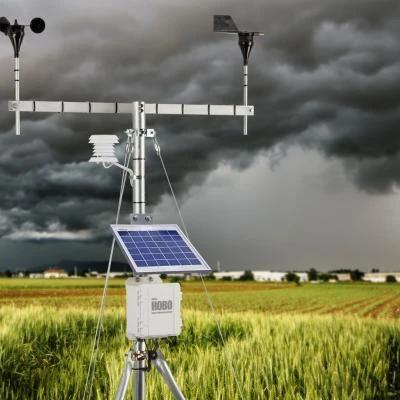
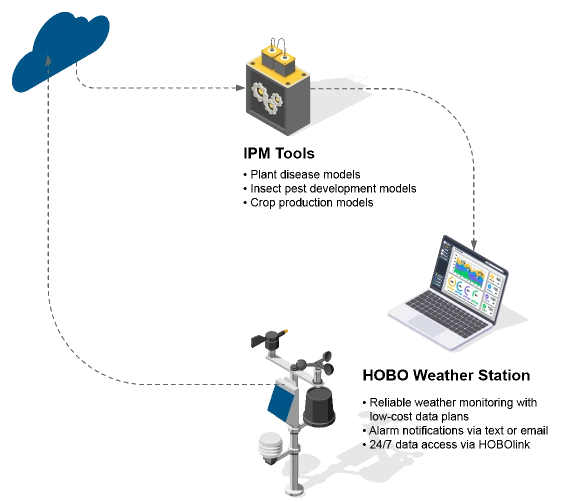
    1. A compatible HOBO weather station measures conditions at your farm, orchard, or vineyard.

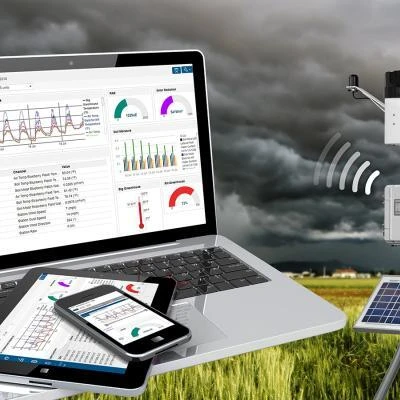
    2. HOBO cloud software transmits and stores the station data and can provide remote access, dashboards, and condition-based alarms.

    3. NEWA uses applicable weather data in crop, pest, disease, degree-day, and production models that help guide field decisions.

This combination gives growers access to both their underlying microclimate data and the NEWA decision-support tools that interpret those conditions. The result is a more complete view of current conditions, developing risks, and potential management windows.

Using NEWA Modeling with HOBO Weather Stations and Software

Which Weather Measurements Does NEWA User?

Depending on the selected crop or model, NEWA tools may use measurements such as air temperature, relative humidity, precipitation, leaf wetness, solar radiation, wind speed, and wind direction. A correctly configured HOBO weather station can collect these conditions at the farm, orchard, or vineyard where decisions are being made.

Soil temperature and soil moisture sensors can also provide valuable information for planting and irrigation management, although these measurements are optional and are not inputs for every NEWA model. Sensor requirements vary, so growers should select a station configuration based on the crops, models, and management questions they plan to address.

How can NEWA help you improve your operations?

Monitor local field conditions

View recent weather and sensor data from your own growing environment. Site-specific measurements can reveal conditions that may differ from those recorded at a regional airport or distant weather station.

Improve IPM and spray timing

Use applicable NEWA plant-disease and insect-development models to evaluate emerging risks and potential treatment windows. Confirm current temperature, humidity, rainfall, leaf wetness, and wind conditions before making an application.

Respond to frost and heat risk

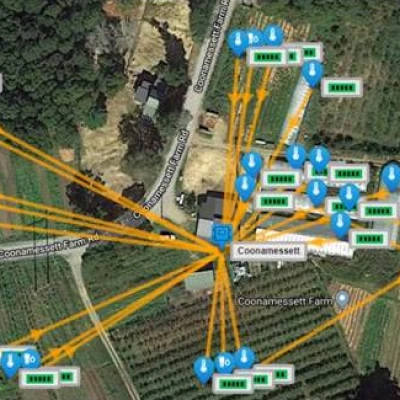
Monitor temperature across frost-prone or heat-sensitive locations and use configurable HOBO alarms to receive notification when conditions cross selected thresholds. Wireless sensors can extend monitoring into multiple microclimates throughout an operation.

Make more informed irrigation decisions

Compare soil moisture, rainfall, and evapotranspiration data to understand crop water demand, water retention, and differences among fields or growing blocks.

Track water availability and use

Monitor water level or flow remotely to assess irrigation supplies, document water use, and identify unexpected changes that could indicate a leak or other problem.

What types of tools does NEWA provide?

NEWA provides weather-based agricultural tools that help growers evaluate crop-development stages, pest activity, disease risk, and production conditions. Available tools include:

  • Hourly and daily weather summaries: Review recent temperature, relative humidity, rainfall, wind, solar radiation, and other available measurements.
  • Degree-day calculators and tables: Track accumulated heat units used to estimate insect development and crop growth stages.
  • Plant-disease models: Evaluate weather conditions associated with infection risk and potential treatment timing.
  • Insect pest models: Estimate pest-development stages and identify scouting or management windows.
  • Crop-production tools: Support crop-specific decisions such as thinning, irrigation, and other production practices where a model is available.
  • Weather forecasts: Compare observed conditions with forecast information when planning upcoming field activities.

Available tools vary by crop, location, and model. Examples on the current NEWA platform include tools for apples, grapes, berries, vegetables, field crops, and ornamentals.

What types of tools does NEWA provide?

NEWA Partners

NEWA operates through partnerships with participating states, universities, extension programs, growers, and weather-station owners. Access arrangements and costs can vary by location. In participating states, statewide membership may cover access to NEWA resources; growers in other locations should consult NEWA for current participation options.

Because partner coverage can change, review the current NEWA partner information before purchasing or connecting a station.

Frequently Asked Questions (FAQ)

NEWA Resources